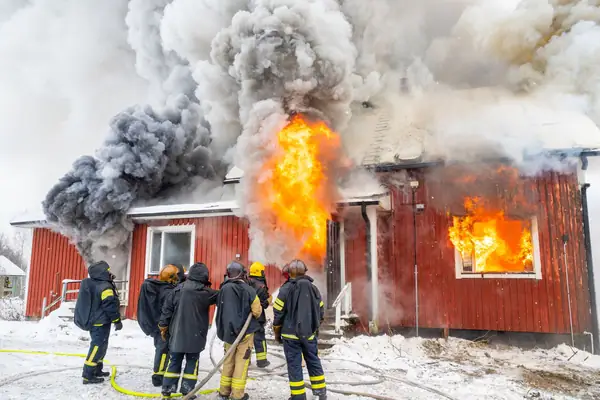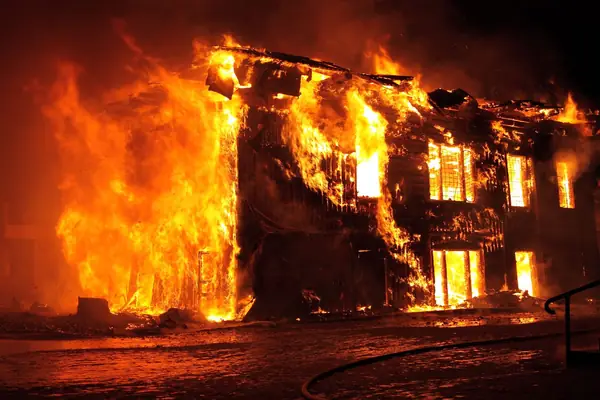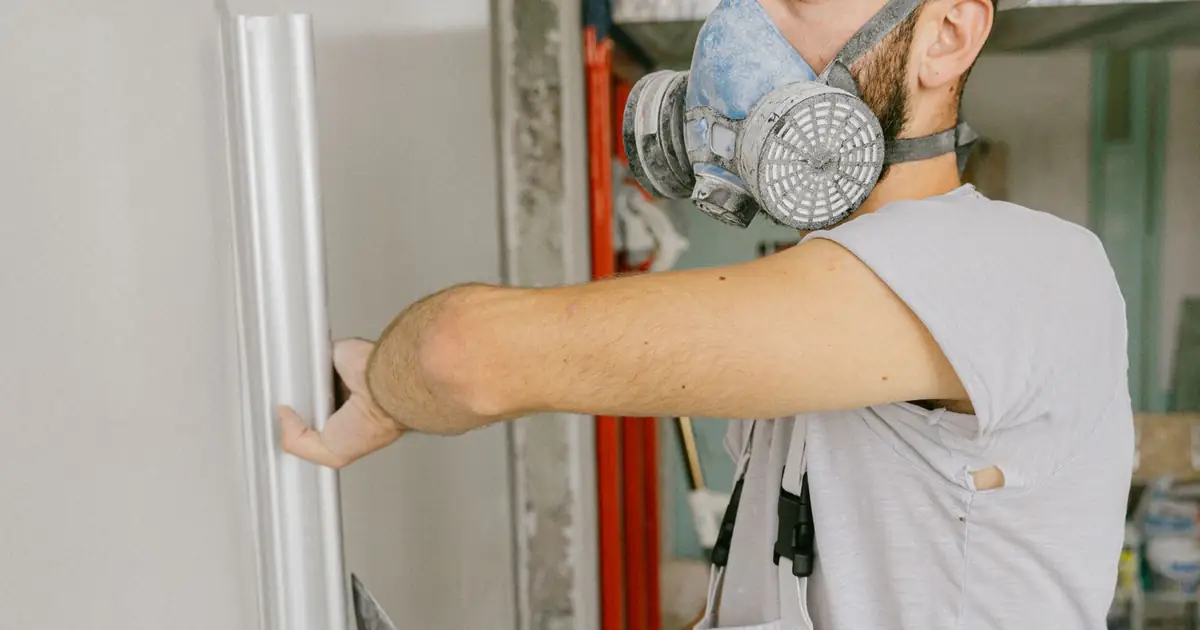
Short answer: Fire damage restoration cost depends on how much burned, how far smoke and water spread, and how much must be rebuilt. No honest price exists until someone inspects the property, so this guide does not list prices. It explains what drives the cost, how to read an estimate, and what homeowners insurance usually pays toward the work.
After a fire, the first money question is simple: how much will this cost? The honest answer is that it depends on the damage, and the range is wide. A small stovetop fire and a fire that reaches the roof are completely different jobs. Nashville Fire Removal Pros can connect you with a local provider for fire damage restoration in Nashville who can inspect the home and write a line-item estimate.
This is general information, not financial or insurance advice. Every job and every policy is different.
How much does fire damage restoration cost?
It depends on the scope of work. A restoration bill is the sum of many separate tasks, and each fire needs a different mix. The usual parts of a fire restoration job are:
| Part of the job | What it covers | What makes it cost more |
|---|---|---|
| Emergency board-up and tarping | Securing windows, doors and roof openings | Large openings, steep or tall roofs |
| Water removal and drying | Extracting firefighting water, running drying equipment | Wet basements, crawlspaces, long drying time |
| Debris removal and tear-out | Hauling out burned materials | Large volume, hard-to-reach areas |
| Soot and smoke cleaning | Cleaning walls, ceilings, surfaces and contents | Sticky or oily residue, many rooms affected |
| Odor removal | Deodorizing, sealing, HVAC cleaning | Smoke in ducts, attic or insulation |
| Contents cleaning and pack-out | Inventory, cleaning and storage of belongings | Many items, fragile or high-value pieces |
| Repairs and rebuilding | Framing, drywall, electrical, roofing, finishes | Structural damage, code upgrades, custom finishes |
The cleanup stages are often a smaller share of the bill than rebuilding. When framing, roofing or wiring burned, reconstruction usually drives the total.
What affects the cost of fire damage restoration?
These factors move the price the most:
- Size of the area affected. More square feet of damage means more labor and materials.
- How far smoke traveled. Smoke can reach rooms the fire never touched, which adds cleaning.
- How much water was used. Firefighting water can soak floors, walls and basements and add drying and mold prevention.
- How fast work starts. Soot keeps staining surfaces, and wet materials can grow mold within 24 to 48 hours, as the EPA notes. Delay adds damage.
- Type of materials. Plaster, hardwood, natural stone and custom cabinets cost more to clean or match than standard drywall and laminate.
- Contents. Electronics, artwork, rugs and heirlooms need special handling.
- Structural damage. Burned framing, roof decking or floor joists turn a cleanup into a rebuild.
- Code upgrades. Opening walls in an older home can require updated wiring or other fixes under current code.
- Access. Tall ceilings, tight attics and steep roofs take more time and equipment.
Nashville factors that affect fire restoration cost
A few local rules and conditions change the cost of a job here.
- Permits. Metro Nashville Codes requires permits for work such as removing walls, replacing more than 100 square feet of drywall, moving electrical or plumbing, and replacing more than one-third of a roof. Permits add time and fees. Painting, flooring and insulation generally do not need one.
- Contractor licensing. In Davidson and Rutherford counties, residential projects above $3,000 and under $25,000 need a contractor with a home improvement license. Projects of $25,000 or more anywhere in Tennessee need a state contractor license. A properly licensed contractor may not quote the lowest price, but the license protects you.
- Older homes. Historic houses in East Nashville and downtown Franklin often have plaster walls, heart-pine floors and older wiring. Saving or matching original materials can cost more than standard replacement.
- Humidity. Middle Tennessee summers slow drying, so equipment may need to run longer.
How to estimate fire damage costs
You can't price a fire job yourself, but you can make sure the estimate you get is complete and fair.
- Get a line-item estimate. Each task, material and quantity should be listed separately, not as one lump sum.
- Check the scope against the damage. Make sure every room, the attic, the HVAC system and your contents are included.
- Compare more than one estimate. The Tennessee Department of Commerce and Insurance advises getting several bids and checking references.
- Ask what is not included. Permit fees, debris hauling, contents storage and code upgrades are often listed separately.
- Expect supplements. Hidden damage often shows up once walls are opened. A supplement adds that work to the estimate and the insurance claim.
- Get payment terms in writing. TDCI notes that state law bars contractors from requiring a down payment of more than one-third of the total contract.
Restore or replace?
Restoring means cleaning and repairing what can be saved. Replacing means tearing out and installing new. Restoration is often the less expensive choice for items that clean well, such as hard furniture, dishes, many fabrics and solid wood. Replacement makes more sense for materials that hold smoke or water, such as insulation, carpet pad and soaked drywall.
A good provider explains which items are worth cleaning and which are not. If the house is badly damaged, your insurer may treat it as a total loss, which changes the whole cost picture. The guide on how to sell a fire-damaged house covers that path.
How much does insurance pay toward fire restoration?
Most homeowners policies cover sudden, accidental fires. What you receive depends on your coverage:
- Deductible: You pay this part first.
- Dwelling coverage: Pays to repair the house, up to your limit.
- Replacement cost vs. actual cash value: Replacement cost pays to rebuild with similar materials. Actual cash value subtracts depreciation. Some insurers hold back part of the payment until repairs are finished.
- Ordinance or law coverage: Helps pay for code upgrades required during repairs, often with a lower limit.
- Personal property coverage: Pays for belongings, including contents cleaning.
- Loss of use: Pays extra living costs while the home is unlivable.
The full breakdown is in does homeowners insurance cover fire damage. If you disagree with the payout, see how to deal with an insurance adjuster after a house fire.
How to lower fire restoration costs
- Act fast. Board-up and drying within the first day or two stops damage from growing.
- Document everything. Photos and video before cleanup support your claim, as TDCI advises.
- Prevent further damage. Policies expect reasonable steps, such as covering broken windows.
- Clean instead of replace where it makes sense. Professional contents cleaning often costs less than buying new.
- Decide on finishes early. Choosing cabinets and flooring before the rebuild avoids delays.
- Never pay in full upfront. TDCI warns not to pay cash or the full amount before work is complete, and never to sign over your insurance check to a contractor.
Local note: Costs vary across the metro. Large custom homes in Brentwood can mean higher rebuild and contents costs. Historic homes in Franklin and East Nashville may need code upgrades and material matching. Rentals in Murfreesboro often involve both a landlord's and a tenant's insurer.
Related reading: See how long fire damage restoration takes to plan around the timeline, and read what to do after a house fire for the first steps that protect your claim.
When should you call a fire damage restoration professional?
Call a restoration provider when:
- You need a written, line-item estimate for your insurer.
- Openings in the roof, windows or doors need securing.
- Water from firefighting is still standing or soaked into floors.
- Smoke or soot reached several rooms or the HVAC system.
Need a real estimate for fire damage in Nashville? Call (615) 458-0921 to reach a local fire damage restoration provider.
Fire damage restoration cost questions
Why don't you list prices for fire damage restoration?
Every fire is different, and no honest price exists until someone inspects the property. A line-item estimate based on the actual damage is the only reliable number.
Is smoke damage cleanup cheaper than fire repair?
Usually. Cleaning smoke and soot from surfaces costs less than replacing burned framing, roofing or wiring. Heavy smoke in ducts and insulation can still add up.
Do restoration companies work directly with insurance?
Many providers write estimates in a format adjusters recognize and send photos and documentation to your insurer. You are still the one who signs the contract and approves the work.
Why do two estimates differ so much?
They often cover different scopes. One may include contents cleaning, permits or code upgrades and the other may not. Compare line by line.
What should a fire damage estimate include?
Every affected room, the attic and HVAC system, water removal, soot and odor work, contents, debris removal, permits and repairs, each listed as its own line item with quantities.
Sources
- Tennessee Board for Licensing Contractors: Home Improvement licensing requirements
- Metro Nashville Codes: Renovating a single-family residence
- TDCI: Tips on filing insurance claims, hiring contractors and avoiding scammers
- TDCI: Rebuilding after a loss, managing the claims experience
- EPA: A Brief Guide to Mold, Moisture and Your Home
Last reviewed November 11, 2026. General information, not legal, insurance or professional advice. See the editorial policy for how this page is researched and updated.