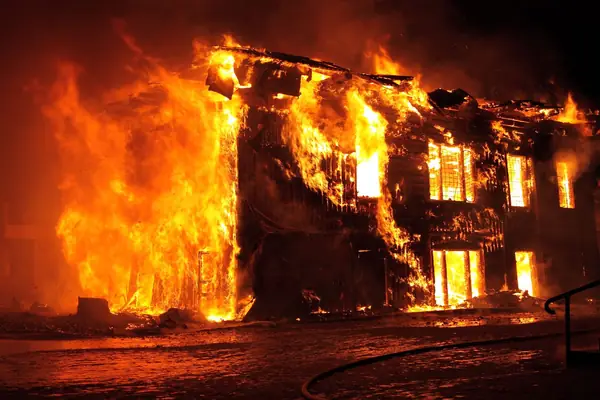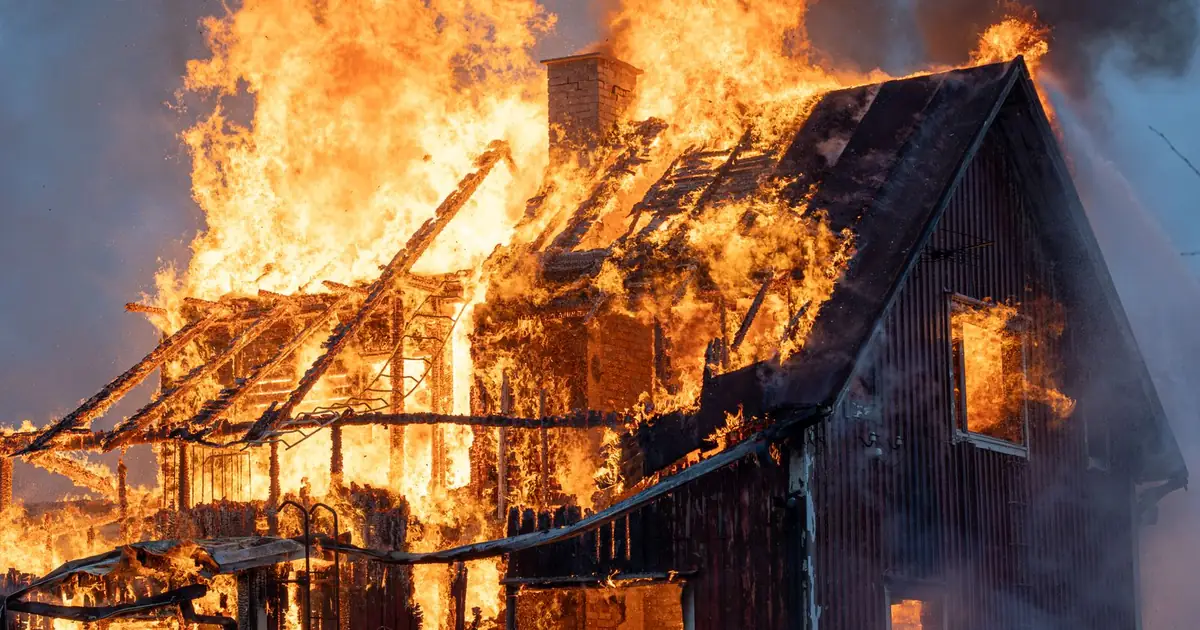
Short answer: Yes, landlord insurance covers fire damage to the rental building in nearly all standard policies. A dwelling fire policy such as a DP-3 pays to repair the structure and can pay lost rent while the unit is unlivable. It does not cover your tenant's belongings, and it may limit coverage if the property sat vacant too long.
A fire at a rental property brings two problems at once: a damaged building and a tenant who needs somewhere to go. Owners also lose rent while repairs are made. Nashville Fire Removal Pros can connect you with a local provider for fire damage repair in Nashville, from emergency board-up through rebuilding. So the unit can return to the market.
This is general information, not legal or insurance advice. Policies differ, so read your own policy and talk with your agent or attorney.
Does landlord insurance cover fire damage?
Yes. Rental properties are usually insured on a dwelling fire policy, not a homeowners policy. The three common forms are:
| Policy form | How it covers fire | Typical use |
|---|---|---|
| DP-1 (basic) | Covers fire and a short list of named perils, often at actual cash value | Older or lower-value rentals |
| DP-2 (broad) | Adds more named perils, often at replacement cost | Mid-range rentals |
| DP-3 (special) | Covers the building against all risks not excluded, usually at replacement cost | Most single-family and small multifamily rentals |
All three include fire. The differences show up in how the policy values the loss and which other perils it covers.
Fair rental value (lost rent) coverage
Fair rental value coverage pays the rent you lose while the unit cannot be lived in because of a covered loss. It is often included in DP-2 and DP-3 forms and may be optional on a DP-1. Coverage usually lasts for the time it reasonably takes to repair the unit, up to the policy limit.
What landlord insurance does not cover
- Tenant belongings: Your tenant's furniture, clothing and electronics need the tenant's own renters policy.
- Tenant hotel costs: Your policy does not pay for your tenant's temporary housing. Their renters policy may.
- Vacancy beyond the limit: Many policies reduce or exclude coverage if the property has been vacant for more than a set period, often 60 days.
- Intentional acts by the insured: Fires the owner sets or arranges are excluded.
- Unreported business use: Short-term rentals may need a different policy. Tell your insurer if the property is listed as a short-term rental.
Who pays when a tenant causes a fire?
Your landlord policy usually pays to repair the building first, minus your deductible. Your insurer may then seek repayment from the tenant or the tenant's liability coverage. This is called subrogation. This is one reason many Nashville leases require tenants to carry renters insurance with liability coverage.
| Situation | Building repairs | Tenant belongings | Lost rent |
|---|---|---|---|
| Accidental fire, no fault | Landlord policy | Tenant's renters policy | Landlord policy, if covered |
| Tenant carelessness | Landlord policy, which may seek repayment | Tenant's renters policy | Landlord policy, if covered |
| Faulty wiring the owner knew about | Landlord policy, but liability claims are possible | Tenant may claim against the owner | Landlord policy, if covered |
Tennessee landlord rights and duties after a fire
Tennessee's Uniform Residential Landlord and Tenant Act applies in counties of more than 75,000 people, including Davidson, Rutherford, Williamson and Sumner. Tenn. Code Ann. § 66-28-503 covers fire and casualty damage:
If fire substantially impairs use of the unit, the tenant may move out and end the lease with written notice within 14 days. If repairs require the tenant to leave, the landlord may end the lease with written notice within 14 days. When the lease ends, the landlord must return prepaid rent and the security deposit as the act requires. Rent is counted only through the earlier of the move-out date or the date the keys are returned.
Repairs follow the usual rules. Davidson and Rutherford counties require a home improvement license for residential projects above $3,000 and under $25,000, and projects of $25,000 or more need a state contractor license. Metro Nashville Codes requires permits for structural, electrical, plumbing and larger drywall and roofing work.
Steps for landlords after a rental fire
- Confirm everyone is safe: Check on tenants and point them to their renters insurer for temporary housing.
- Secure the property: Arrange emergency board-up and roof tarping to prevent theft and weather damage.
- Report the claim: Call your insurer and ask about fair rental value coverage.
- Document everything: Photograph and video the damage, and gather move-in condition reports and recent photos.
- Send written notices: Follow the 14-day notice rule if the lease will end, and keep copies.
- Get a detailed estimate: A line-item estimate helps you check the adjuster's scope.
- Plan the timeline: Permits, materials and insurance approvals all affect when the unit can be rented again.
Rental fires in the Nashville market
Nashville has a large rental market and many small landlords who own one to four units. Older rentals in East Nashville and Madison may have outdated wiring, while newer townhomes in Antioch and Murfreesboro often share walls and attics. So one fire can affect several owners and HOA coverage.
Short-term rentals are common in some Nashville neighborhoods. A standard landlord policy may not cover short-term guests, so confirm your coverage matches how the property is actually used.
How to reduce fire risk in rental properties
- Smoke alarms: Install working alarms in each bedroom, outside sleeping areas and on every level. Document each test.
- Electrical: Have older panels and wiring checked by a qualified electrician before a new lease.
- Dryer vents: Clean vents between tenants.
- Heating: Service furnaces each year and ban unsafe heaters in the lease.
- Renters insurance: Require it in the lease, with liability coverage.
Local note: Rental risks differ across the metro. Student rentals near MTSU in Murfreesboro see frequent kitchen fires, apartments and townhomes in Antioch often share attics, and older rentals in Goodlettsville and Madison may have aging wiring and heating equipment.
Related reading: Share does renters insurance cover fire damage with your tenants, review does homeowners insurance cover fire damage if you live in part of the property, and read how long fire damage restoration takes to estimate lost rent. For help with the claim itself, read how to deal with a fire insurance adjuster.
When should you call a fire damage restoration professional?
Call a restoration provider when:
- The unit is open to weather or break-ins after the fire.
- Smoke has moved into neighboring units or shared areas.
- Firefighting water soaked floors, drywall or units below.
- Your adjuster needs a detailed scope and estimate.
Fire at your Nashville rental? Call (615) 458-0921 to reach a local fire damage restoration provider.
Landlord insurance and fire damage questions
Does landlord insurance cover lost rent after a fire?
Often, yes. Fair rental value coverage pays lost rent while the unit is unlivable after a covered loss, up to the policy limit. Check whether your form includes it.
Is a landlord required to provide housing after a fire in Tennessee?
Tennessee's landlord-tenant act does not require the landlord to provide other housing. The tenant may end the lease, and the tenant's renters policy may pay for temporary housing.
Can I keep the security deposit after a fire?
When the lease ends because of fire damage, Tennessee law requires the landlord to return the deposit and prepaid rent as the act provides, minus lawful deductions.
Does landlord insurance cover a tenant's belongings?
No. A landlord policy covers the building and sometimes the owner's furnishings. Tenants need their own renters policy.
Will my landlord policy cover a short-term rental fire?
Not always. Many standard landlord policies exclude or limit short-term rental use. Ask your insurer about a policy written for short-term rentals.
Sources
- Tennessee Code § 66-28-503: Fire or casualty damage (Justia)
- TDCI: Rebuilding after a loss, managing the claims experience
- Tennessee Board for Licensing Contractors: Home Improvement licensing requirements
- Metro Nashville Codes: Renovating a single-family residence
Last reviewed November 11, 2026. General information, not legal, insurance or professional advice. See the editorial policy for how this page is researched and updated.