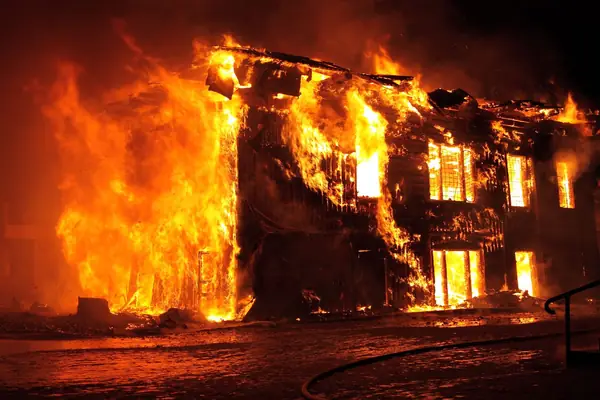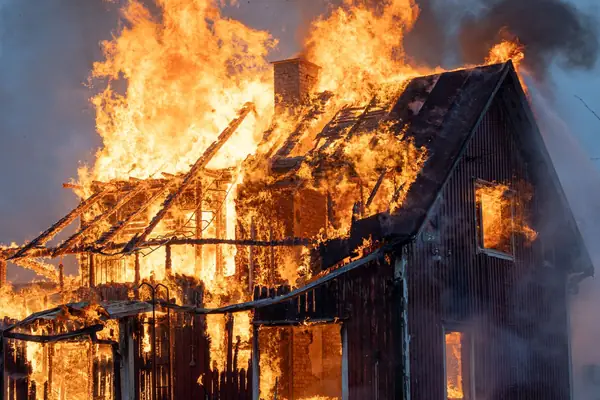
Short answer: Yes, renters insurance covers fire damage to your belongings in most cases. A standard renters policy, called an HO-4, pays to repair or replace your personal property, covers extra living costs if you have to move out, and includes liability coverage if you caused the fire. It does not pay to repair the building itself, which is the landlord's job.
A fire in a rented home is frightening, and the questions start right away. Who pays for the damage? Where will you sleep tonight? What happens to your lease? Nashville Fire Removal Pros can connect you with a local provider for fire damage cleanup in Nashville, including saving and cleaning the belongings your renters policy covers.
This is general information, not legal or insurance advice. Every policy is different, so read your own declarations page and talk with your insurer.
Does renters insurance cover fire damage?
Yes. Fire is one of the named perils in nearly every renters policy. An HO-4 policy usually has three main parts:
| Coverage | What it pays for | Example after a fire |
|---|---|---|
| Personal property | Your belongings, inside or outside the home | Furniture, clothes, electronics, kitchen items |
| Loss of use (additional living expenses) | Extra costs when your unit is unlivable | Hotel, higher food costs, laundry, mileage |
| Personal liability | Damage or injury you are legally responsible for | A fire you started spreads to a neighbor's unit |
Most policies also include a small amount of medical payments coverage for guests who are hurt in your home.
Actual cash value vs. replacement cost
This one choice changes your payout more than anything else. Actual cash value pays what your item was worth on the day of the fire, after depreciation. Replacement cost pays what it costs to buy a similar new item. A five-year-old couch may be worth very little under actual cash value but enough for a new couch under replacement cost. Check which one your policy uses.
What renters insurance does not cover
Renters policies have limits. Common gaps include:
- The building: Walls, floors, cabinets, built-in appliances and the roof belong to the landlord and fall under the landlord's policy.
- Intentional fires: Fires set on purpose by the insured are excluded.
- High-value items over sub-limits: Jewelry, collectibles, firearms and some electronics often have low caps unless you add a rider.
- Roommates' belongings: Unless a roommate is named on your policy, their things need their own coverage.
- Business property: Equipment used for a home business may have a low limit or need separate coverage.
Who pays for what after an apartment fire?
The landlord's policy covers the structure. Your renters policy covers your belongings and your extra living costs. If someone's carelessness caused the fire, the insurers may later sort out who owes whom, a process called subrogation.
| Item | Usually paid by |
|---|---|
| Burned drywall, framing and roof | Landlord's property policy |
| Carpet and built-in appliances in the unit | Landlord's property policy |
| Your sofa, clothes, laptop and TV | Your renters policy |
| Your hotel stay while the unit is repaired | Your renters policy (loss of use) |
| A neighbor's damage from a fire you caused | Your renters policy (liability) |
Your landlord's policy almost never pays for your belongings or your hotel. That is the main reason renters insurance matters.
What should a renter do first after a fire?
- Get safe: Leave the building and follow the fire department's instructions. Do not go back in until officials say it is safe.
- Call your insurer: Report the claim the same day if you can. Ask about loss-of-use coverage for a hotel right away.
- Tell your landlord in writing: A text or email creates a record with a date and time.
- Photograph everything: Tennessee's Department of Commerce and Insurance advises taking photos and video of the damage before anything is moved.
- Prevent more damage: Your policy expects you to take reasonable steps, like moving salvageable items out of the rain.
- Keep every receipt: Hotel bills, meals, clothing and toiletries can count toward additional living expenses.
- Make an inventory: List damaged items with brand, age and approximate price. Phone photos from before the fire help.
Tennessee tenant rights after a fire
Tennessee's Uniform Residential Landlord and Tenant Act applies in counties with more than 75,000 people, which includes Davidson, Rutherford, Williamson and Sumner counties. Under Tenn. Code Ann. § 66-28-503, if fire substantially impairs your use of the unit:
You may move out right away. You must notify the landlord in writing within 14 days that you are ending the lease. The lease ends on the day you moved out. The landlord must return prepaid rent and the security deposit as the law provides. If repairs require you to leave, the landlord may also end the lease with written notice within 14 days.
Your lease may add details, so read it alongside the statute. If you disagree with your landlord about rent or the deposit, Legal Aid Society of Middle Tennessee and the Cumberlands is one place to ask for help.
How renters insurance works in Nashville
Nashville has a large rental market, from downtown towers to garden apartments in Antioch and student housing near Murfreesboro. Many leases in Davidson County require tenants to carry renters insurance, and some name a minimum liability limit.
Multifamily buildings add one more wrinkle. Smoke and water often damage units that never saw flames. If firefighters soaked the unit above you, your belongings may be ruined by water rather than fire. A renters policy generally covers that water damage too, because it came from fighting a covered fire.
Contents can often be saved. Clothing, dishes, hard furniture and many electronics can be professionally cleaned, which is usually cheaper than replacing them. A contents cleaning and pack-out provider can inventory and clean items while your insurer reviews the claim. Learn more about what to throw away after smoke damage before you discard anything.
How to prevent rental fires
- Watch the stove: NFPA reports that cooking is the leading cause of home fires. Stay in the kitchen while frying, boiling or broiling.
- Use space heaters safely: Keep them three feet from anything that can burn and plug them directly into the wall.
- Test smoke alarms: Tell your landlord in writing if an alarm is missing or not working.
- Mind cords: Do not run extension cords under rugs or through doorways.
- Know your exits: Close doors behind you when leaving a fire to slow smoke and flames.
Local note: Renters face different risks across the metro. Apartment fires in Antioch often spread smoke to neighboring units, student rentals near MTSU in Murfreesboro see many kitchen fires, and older divided houses in East Nashville can let fire travel inside walls.
Related reading: If you own a rental, see does landlord insurance cover fire damage. Homeowners can compare coverage in does homeowners insurance cover fire damage, and is smoke damage covered by insurance explains claims when there were no flames in your unit. To save your wardrobe, see how to get smoke smell out of clothes.
When should you call a fire damage restoration professional?
Call a restoration provider when:
- Smoke residue or odor is on your clothing, furniture or electronics.
- Firefighting water soaked carpet, bedding or upholstered items.
- Your insurer asks for a contents inventory or cleaning estimate.
- You need belongings packed out and stored while the unit is repaired.
Fire damage in your Nashville rental? Call (615) 458-0921 to reach a local fire damage restoration provider.
Renters insurance and fire damage questions
Does renters insurance pay for a hotel after a fire?
Yes, if your policy includes loss of use, also called additional living expenses. It pays the extra cost of living elsewhere while your unit is unlivable, up to your policy limit.
Is my landlord responsible for my belongings after a fire?
Usually not. The landlord's policy covers the building. Your belongings are your responsibility unless the landlord's negligence caused the fire, and even then a claim can take time.
Does renters insurance cover a fire I caused?
Generally yes, if the fire was accidental. Liability coverage may also pay for damage to the building or neighbors' units. Fires set on purpose are excluded.
Do I still have to pay rent after a fire?
Under Tennessee's landlord-tenant act, if the fire substantially impairs use of the unit, you may move out and end the lease with written notice within 14 days. Rent is counted only through the date you moved out.
How long do I have to file a renters insurance fire claim?
Your policy sets the deadline, and many require prompt notice. Report the fire as soon as you can and follow the proof-of-loss timeline your insurer gives you.
Sources
- Tennessee Code § 66-28-503: Fire or casualty damage (Justia)
- TDCI: Rebuilding after a loss, managing the claims experience
- NFPA: Home Cooking Fires report
- USFA: After a fire
Last reviewed November 11, 2026. General information, not legal, insurance or professional advice. See the editorial policy for how this page is researched and updated.